
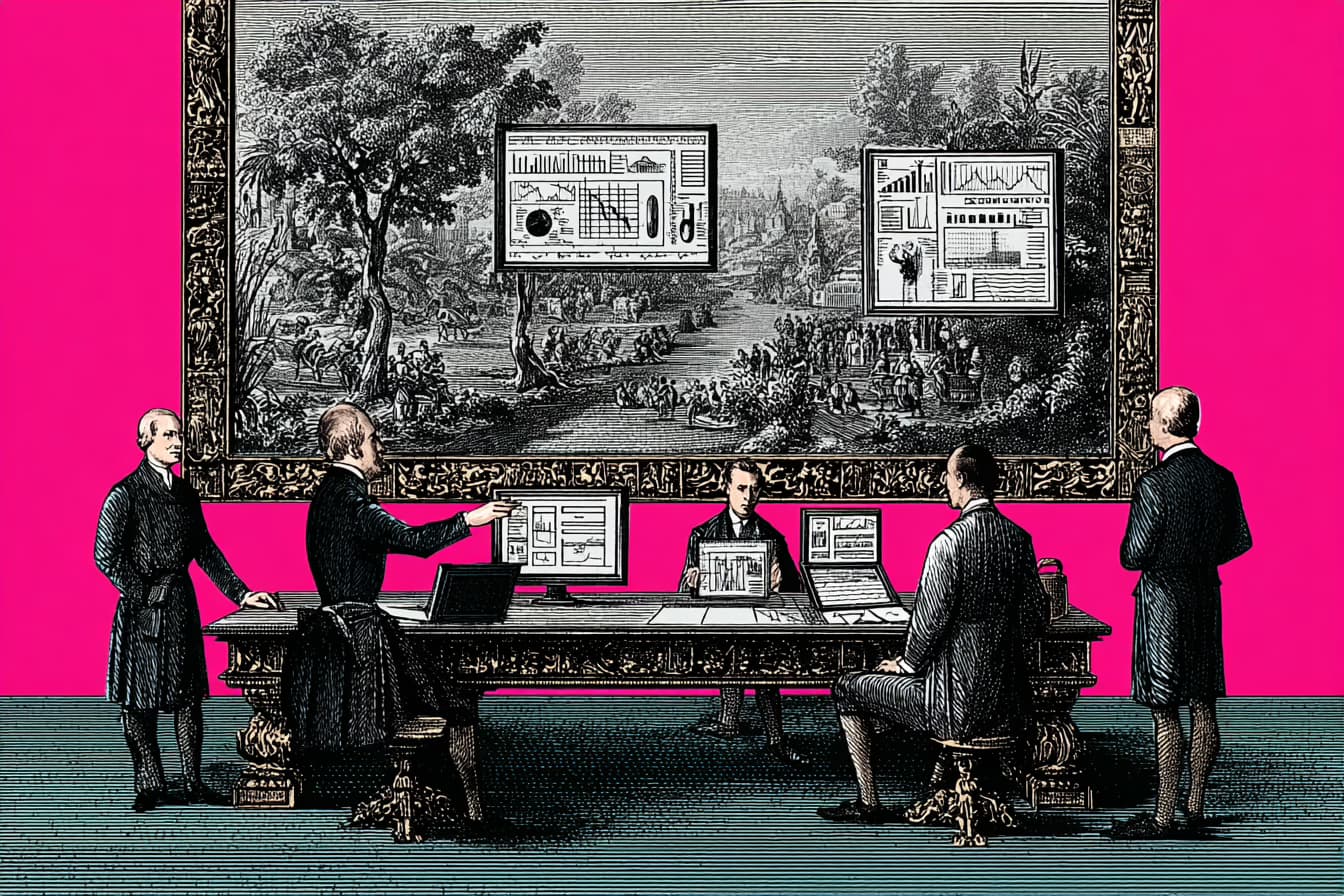
Newsrooms do not just publish stories anymore. They build digital products that readers use every day. That shift is why product thinking matters.
Product thinking helps media teams move from a print-era mindset to a reader-focused one. Instead of only asking, “What story do we publish next?” teams also ask, “How does this story get found, read, shared, and paid for?”
That change affects more than content. It shapes workflow, design, technology decisions, and business models. For publishers trying to grow audience and revenue at the same time, product thinking creates a clearer way to work.
The Shift to Product Thinking in Newsrooms
The Traditional Newsroom Model
For years, most newsrooms followed a simple structure. Reporters reported. Editors edited. The story went live in print, on air, or later on the web. That system worked when distribution was limited and audience habits changed slowly.
Digital publishing broke that model. Readers now expect fast sites, mobile-friendly reading, smart recommendations, newsletters, alerts, and a smoother path from discovery to subscription. A strong article is still the core product, but it is no longer the whole product.
What Product Thinking Means
Product thinking shifts the focus from output to experience. It treats the newsroom’s website, app, newsletter, and membership flow as connected parts of one product. Content still matters most, but the way people reach and use that content matters too.
In practical terms, it means a newsroom studies user behavior, tests changes, and improves the platform over time. It also means editorial, design, product, and engineering teams work together instead of handing work off in silos.
For teams reworking their platform or editorial systems, this often overlaps with web development for publishers, especially when growth depends on better publishing tools and reader experience.
How It Changes Newsroom Culture
When product thinking takes hold, newsroom culture changes in visible ways. Teams become more open to testing. Decisions rely less on opinion alone. Success is measured not only by what gets published, but by whether readers return, engage, subscribe, and trust the experience.
This does not replace journalism. It supports it. The goal is not to chase clicks. The goal is to make strong journalism easier to discover, easier to consume, and easier to sustain.
Key Components of Product Thinking in Media
The term gets used a lot, but in media, product thinking usually comes down to a few core habits.
Audience-First Thinking
Audience-first work starts with real reader needs. What are people trying to learn? Where do they drop off? Which devices do they use? Which formats help them understand the story faster?
This approach goes beyond visual polish. It covers layout, speed, navigation, sign-up flows, accessibility, and the overall reading experience. Good product choices remove friction between the audience and the journalism.
Data-Informed Decisions
Good newsroom instincts still matter. But product teams also need evidence. Data helps teams understand what content drives repeat visits, which pages convert readers into subscribers, and where users get stuck.
The key is balance. Metrics should inform decisions, not control every editorial call. A newsroom that only follows traffic charts can lose its voice. A newsroom that ignores user data can miss clear opportunities to improve.
Continuous Improvement
Digital products are never finished. Reader habits change. Platforms change. Revenue models change. Product thinking accepts that reality and builds around iteration.
That means testing homepage layouts, improving article templates, refining onboarding flows, and fixing weak points in the CMS. Small improvements over time often beat one big redesign every few years.
Cross-Functional Collaboration
Many newsroom problems sit between departments. Editorial wants speed. Design wants clarity. Engineering wants stability. Revenue teams want subscription growth. Product thinking helps these groups work from the same goals.
That often starts with shared planning and better design systems. When publishers invest in clearer user flows and interfaces, product design work can reduce confusion for both readers and internal teams.
Journalism and Product Management
A product manager in media connects user needs, editorial goals, and technical constraints. They help teams decide what to build, what to fix, and what to leave alone.
This role matters because many publishing decisions have tradeoffs. A new feature may improve engagement but add complexity. A faster launch may create technical debt. Product management brings structure to those choices.
Implementing Product Management in Media Organizations
Changing How Stories Are Built
Product thinking changes storytelling itself. Data can show which topics build loyalty, which formats perform best on mobile, and where readers stop scrolling. That does not mean every story becomes the same. It means teams can shape presentation with more confidence.
- Use audience signals wisely: Look at engagement patterns, not just pageviews.
- Support personalization carefully: Recommend useful content without turning the experience into noise.
- Design for format fit: Some stories need text. Others need charts, audio, or interactive elements.
Improving User Experience
A better user experience can lift newsroom performance quickly. Readers notice when sites load slowly, when article pages feel cluttered, or when mobile layouts break. Those issues reduce trust and lower return visits.
- Mobile responsiveness: Stories should be easy to read and share on phones.
- Clear interfaces: Navigation, article templates, and paywalls should feel simple.
- Useful interaction: Media elements should support the story, not distract from it.
Building Sustainable Revenue Models
Product thinking also supports the business side of publishing. It helps teams build subscription flows, sponsorship placements, and commerce features in ways that fit the reader experience.
- Subscription models: Reduce friction between interest and signup.
- Advertising: Place sponsorships in ways that do not damage readability.
- Commerce and affiliate revenue: Add supporting revenue streams where they make sense.
The point is not to force monetization into every page. It is to make revenue systems work with the product instead of against it.
Building the Right Team
A product-minded newsroom needs more than one product manager. It needs shared responsibility across editorial, design, and engineering. Teams need clear owners, clear goals, and a way to prioritize work that serves both readers and the business.
That may include product leadership, UX support, developers, analysts, and stakeholders from audience or revenue teams. The exact structure can vary, but the principle stays the same: fewer silos, more alignment.
Creating Scalable Publishing Systems
Many newsroom problems come from weak systems, not weak teams. A slow CMS, brittle templates, and messy integrations make good work harder than it should be. Product thinking pushes teams to fix that foundation.
It also pushes them to reduce manual tasks. Better tooling and workflow automation can save editorial teams from repetitive work and free up time for reporting, editing, and analysis.
Refact’s Impact on News and Media Organizations
Refact helps publishers connect product strategy, design, and development. That matters because media organizations rarely need code alone. They need a partner that can clarify the problem first, then build the right system around it.
For news and media teams, that can mean improving editorial workflows, rebuilding a publishing platform, refining subscription paths, or fixing user experience issues that block audience growth.
Examples of This Work
The Hustle built a reputation on concise, useful reporting. That kind of product works best when the platform supports speed, repeat visits, and easy reading across devices.
State Affairs depends on trust, clarity, and reliable content delivery. A strong platform helps that reporting stay accessible and easy to use for a loyal audience.
Trends combines content with community and business insight. That model works best when the user experience supports discovery, participation, and retention.
Across projects like these, the lesson is consistent. Strong journalism needs strong product decisions behind it. When content, workflow, and platform design align, the newsroom becomes more effective and the audience feels the difference.
Key Takeaways
Product thinking changes how a newsroom works. It puts reader needs closer to the center. It helps editorial, product, design, and engineering teams make better decisions together. It also creates a stronger base for growth, whether the goal is retention, subscriptions, or operational clarity.
For many publishers, the biggest win is not one feature. It is a better system for deciding what to build, how to improve it, and how to support journalism with a product people actually want to use.
If your media company is trying to improve audience experience, publishing workflows, or platform performance, talk with Refact.

Masoud Tahsiri works in growth and QA at Refact, focused on SEO, organic growth, and product quality. He helps the studio’s products get discovered, perform better in search, and stay reliable through testing, review, and continuous improvement. His work connects content strategy, technical SEO, automation, analytics, and quality assurance, giving him a broad view of how digital products grow after launch. At Refact, Masoud focuses on improving both visibility and reliability, making sure products are not only built well but also findable, measurable, and ready for users.
More from Masoud Tahsiri

