AI Development Services that connect intelligence with useful work
We design and build AI capabilities around specific tasks, business information, and existing systems, with evaluation and review built into how the product is used.
Free 30-minute call. No pitch, no obligation.

Trusted by 100+ founders, publishers, and digital teams
AI development: building a working product around a model’s capabilities.
AI development combines models with the data, interfaces, integrations, and controls needed for a practical application. The work may involve generating drafts, extracting information, finding relevant knowledge, or taking steps across connected tools. A useful system starts with a defined task and a way to judge whether the result is good enough.
AI features in existing products
An existing platform may benefit from summarization, guided assistance, or better ways to use its information. The feature needs to fit the user’s task and the product’s permissions and workflows.
Internal knowledge tools
Teams can use AI to help locate and explain relevant information from their documents and systems. The application needs a considered approach to sources, access, and how answers are checked.
Document and content processing
AI can help extract fields, classify material, or prepare summaries from incoming content. Defined output formats and validation make those results more useful to the next step in the process.
AI-assisted operational workflows
Some workflows involve interpreting messages or documents before an action can happen. AI can support that interpretation while business rules and human review govern the actions that follow.
Custom AI products and MVPs
A new product can start by solving one well-defined problem with AI. A focused first release provides a way to test usefulness and operating requirements before expanding the scope.
Assistants connected to business tools
An assistant can bring together information or actions across existing systems. Its permissions, tool access, and review points need to match the responsibilities you intend to delegate.
Real projects. Real results.
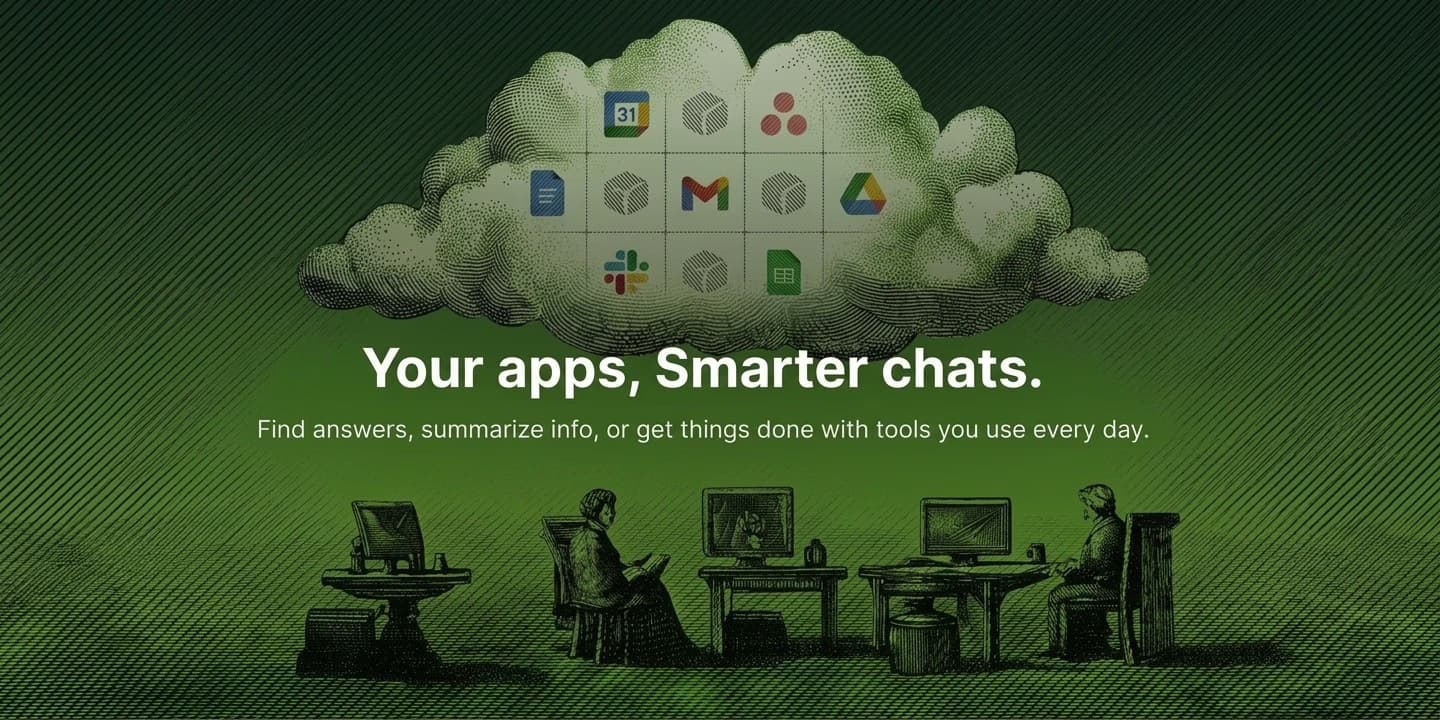
Workform connects information from Slack, Gmail, Asana, and meeting transcripts. Discovery narrowed a broad assistant concept into an MVP that helps project managers connect updates across their existing tools.
Luz helps journalists develop story pitches using El Colectivo 506’s solutions journalism methodology. The chatbot supports three languages, saved conversations, and a summary users can export or receive by email.
What our AI development services cover.
- 01
Use Case Discovery and Feasibility
We examine the task, available information, expected result, and consequences of errors. This helps establish whether AI is useful and which part of the work should remain rule-based or human-led.
- 02
AI Product and MVP Development
We design and build the interface and application around a focused capability. The first release includes the surrounding workflow needed for people to use and evaluate the output.
- 03
Model, Prompt, and Context Design
We assess model options and define instructions and context for the task. Choices account for response quality, speed, cost, and the information the system needs.
- 04
Business Data and Tool Integrations
We connect relevant documents, content, and business systems to the application. Access rules and data flows determine what the AI can retrieve and which actions it can perform.
- 05
Evaluation and Review Controls
We test representative inputs, track failure patterns, and add appropriate validation, fallback behavior, and review steps. Evaluation provides evidence about performance rather than relying on a successful demonstration.
- 06
Deployment and Ongoing Improvement
We prepare the application for use, monitor relevant behavior, and refine it as real tasks reveal gaps. Changes to models, data, or workflows can require renewed evaluation.
Let’s talk Let’s talk
"They understood what we needed from the chatbot and website, reflected our identity in the design, and reached each milestone on schedule."
"Everything's working so well, the design looks great, your organization and communication have been great too. I really had a great experience, and you guys have been awesome."
"For a stretch, Refact was effectively our whole engineering team, and it never once felt that way. They moved with us as we grew five times over, shipped what we needed when we needed it, and treated the product as if it were their own."
How we work.
Everything stays connected under one team from the earliest conversations. The people who help define the project are the same people who design, build and support it, ensuring important decisions are not lost between separate partners and the work stays consistent throughout.
Discovery
We understand your current state, define the future state, and shape the right solution, resulting in a clear project blueprint that guides the work ahead.
Design
We translate the agreed direction into user journeys, screens, and interactive flows your team can review before development begins.
Build
Senior engineers turn the approved direction into a fast, reliable and maintainable digital product, thoroughly tested across the devices and environments your users rely on.
Partnership
After launch, we can continue to maintain, improve, and extend the product as your organisation, users, and priorities evolve.
Your questions,
answered.
What clients usually want to know before starting a AI Development project.
Still have a question? Ask usFind the AI application worth building.
Tell us which task takes too much time or is difficult to handle consistently, and what a useful result would look like.