Teton Gravity Research
The Operational Challenge
The site had been built before social networks existed. It allowed readers to publish text, photos, and videos alongside staff writers. This feature had once been a competitive advantage. Now it was a burden: legally risky, impossible to moderate at scale, and competing against platforms with infinite resources.
Meanwhile, necessity had driven TGR to bolt on critical business functions through third-party platforms. E-commerce ran through Shopify. Premium video streaming lived on a separate service. The forum existed on yet another platform. Each solved a specific problem, but the result was a fragmented user experience and a tangled web of systems that no one fully understood.
The editorial team felt the pain daily. Publishing meant navigating multiple platforms. Updates to the store didn’t flow to the website. Video playlists had to be managed separately from the content that promoted them. Simple tasks required complex workarounds.
Underneath it all: years of accumulated content debt. Inconsistent taxonomies, orphaned media, duplicate content, and a category structure that had lost its logic over time. The risk of losing content, breaking URLs, or tanking hard-earned SEO kept the team stuck on a platform they’d long outgrown.

The Strategic Thinking
Before we wrote a line of code, we helped TGR confront uncomfortable truths about their platform, their content, and their strategy.
Letting Go of What No Longer Served Them
The user-generated content features had become untenable. Communities now form on global social networks, where content creators can build followings and careers. The legal landscape had shifted too: platforms are increasingly responsible for material posted by users, a liability TGR couldn’t reasonably manage.
We proposed a graceful exit from user-generated content. TGR agreed, on one condition: that we build an export function ensuring nothing their community had contributed would be lost. True to their values, it was the right thing to do.
Validating What Was Already Working
Our strategic review wasn’t just about cutting. It was about validating smart decisions TGR had already made.
They’d wisely chosen specialized third-party platforms for e-commerce and video streaming rather than trying to build those capabilities into their struggling CMS. We reviewed those services and found no compelling reason to replace them. Shopify and their streaming platform were the right tools for those jobs.
But instead of treating these as separate islands, we could integrate them directly into a unified publishing workflow. The editorial team shouldn’t need to leave their CMS to feature products or manage video playlists.
Cleaning Up Before Moving In
Migration isn’t just a technical exercise. It’s a strategic one. Moving content to a modern platform without cleanup would mean importing all the accumulated problems.
We worked with TGR to restructure their content model before migration:
- Simplified content types: From a sprawling mix of post formats to four clear types (Stories, Videos, Movies, and Pages), each with a defined purpose and template
- Streamlined taxonomy: Their category structure had ballooned with overlapping topics. We consolidated to a focused set that matched how their audience actually navigates content
- Smart tagging for people and places: Instead of rigid taxonomies, flexible tagging for athletes and locations
- Preserved landmark UGC: Select community contributions worth keeping were migrated with proper guest author attribution
This wasn’t glamorous work. But it meant TGR launched on a clean foundation rather than inheriting years of content debt.
Planning the Migration
For a publisher, migration risk isn’t abstract. Broken URLs mean lost search rankings built over years. Missing content means gaps in the archive that defines your brand.
The technical reality made this particularly complex. ExpressionEngine’s database structure bore no resemblance to modern WordPress-based systems. Standard migration tools like WP All Import wouldn’t work. And the target platform (FlexPress, a headless enterprise CMS) only accepts content in Gutenberg block format, meaning every piece of content needed conversion.
We mapped every URL structure, planned redirects, and built validation checks to ensure nothing fell through the cracks. Content was migrated in phases, with verification at each stage.
What We Built
The Migration Engine
No off-the-shelf solution existed for moving 10,000 articles from ExpressionEngine to FlexPress. We built a custom pipeline:
- Export data from ExpressionEngine’s proprietary database structure
- Map and transform fields to match the new content model
- Import into WordPress and convert to Gutenberg block format
- Use FlexPress’s migrator tools to move everything into production
Each article was validated for data integrity and formatting. URLs were preserved. Nothing fell through the cracks.
The Platform
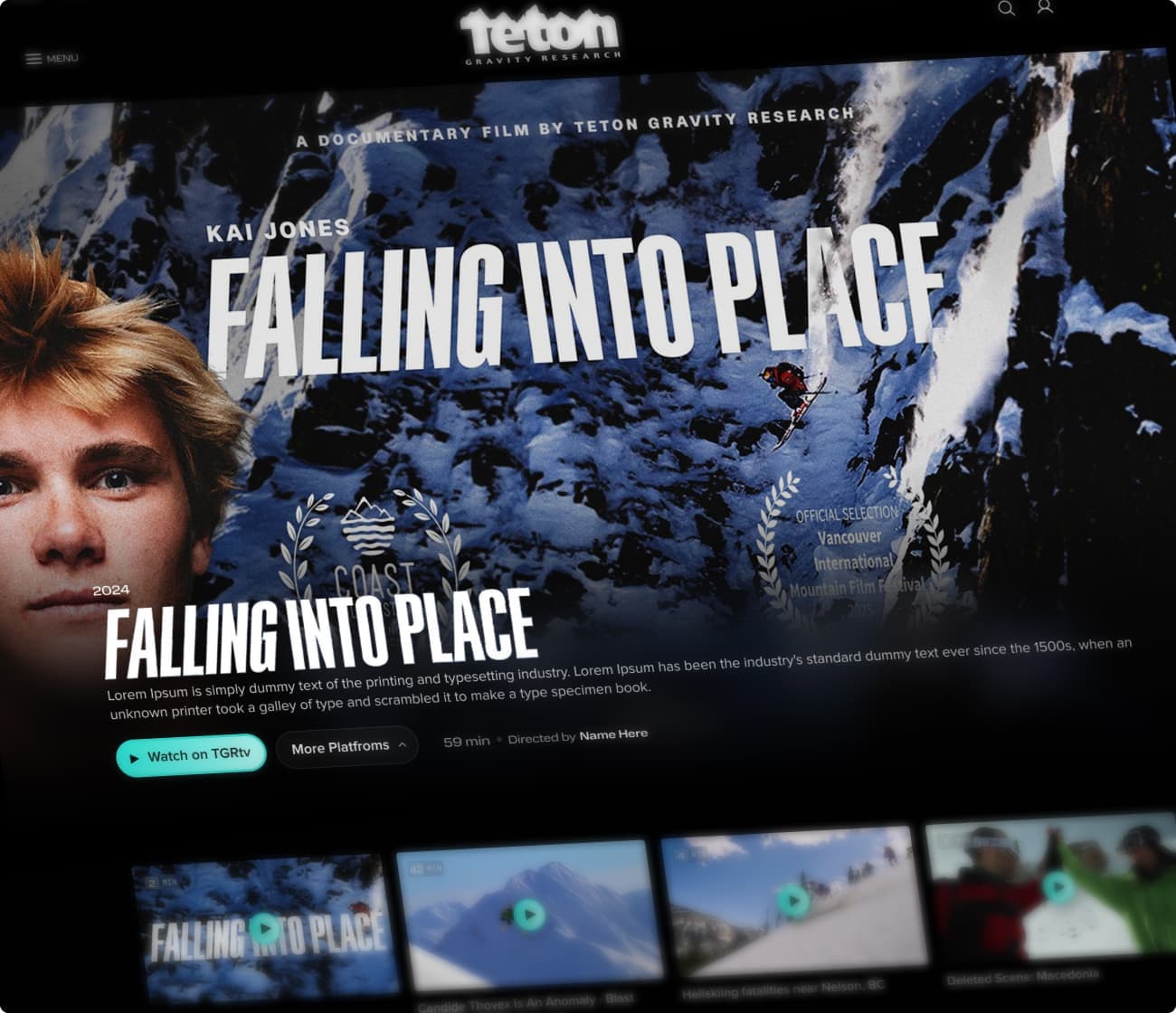
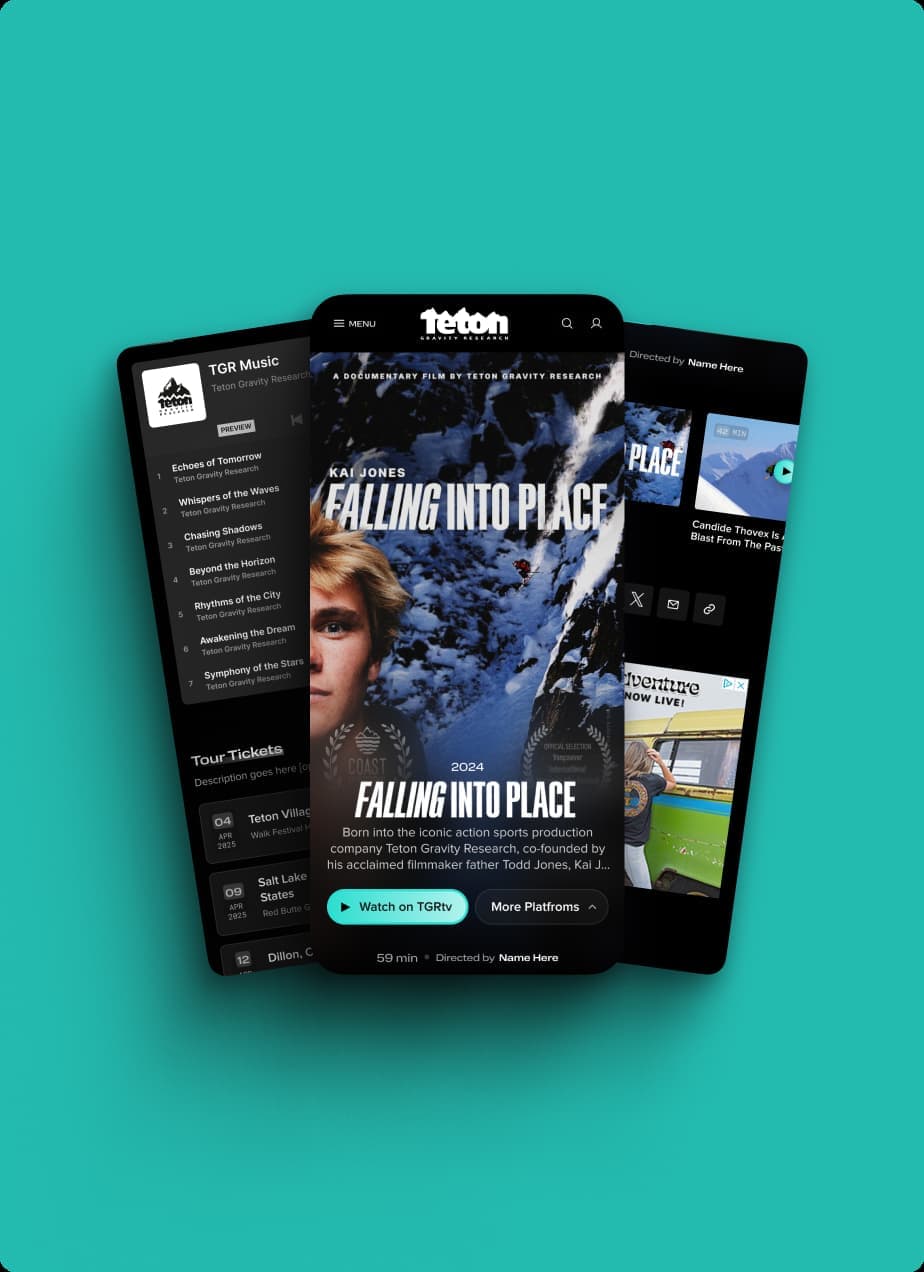
The new site runs on FlexPress, a headless WordPress solution optimized for enterprise publishing. Templates adapt automatically to accommodate portrait or landscape content from YouTube or Instagram, displaying media at the largest possible size for maximum impact.
The Integrations
Shopify blocks can be dropped into any page, populated with products or collections, and they update automatically when inventory changes. Video playlists managed in their streaming platform flow directly into embedded players across the site. A unified navigation bar ties together TGR’s website, store, video platform, and forum into a coherent family of properties.
The Transformation
10,000 articles migrated. Zero data loss. Every URL preserved.
The migration that had stalled previous attempts is complete. Search rankings stayed intact. The archive that defines TGR’s brand made it through without gaps.
Publishing no longer means jumping between platforms or submitting tickets for simple updates. Embedding products, updating video showcases, building custom landing pages: all part of the editorial team’s standard toolkit now.
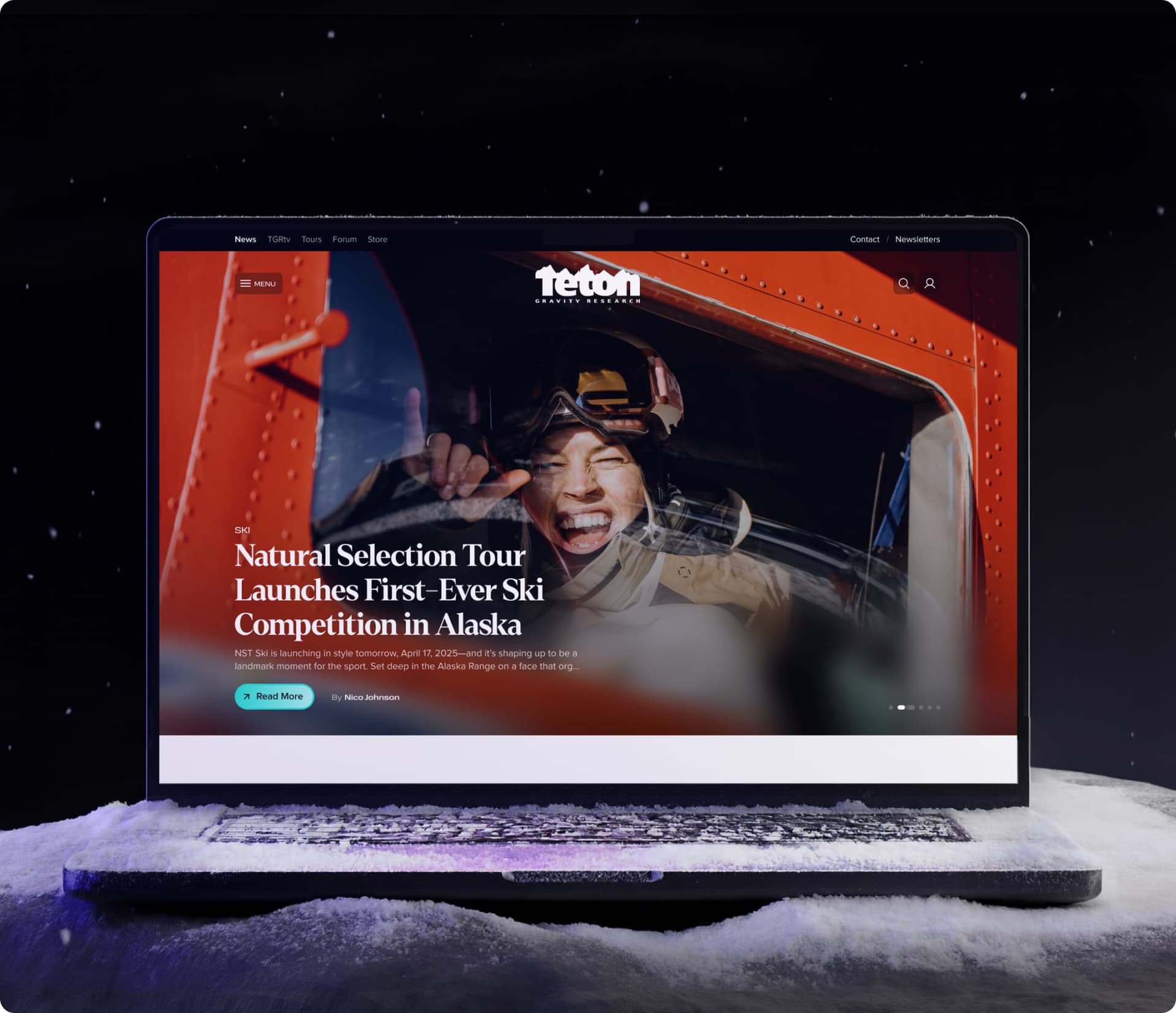
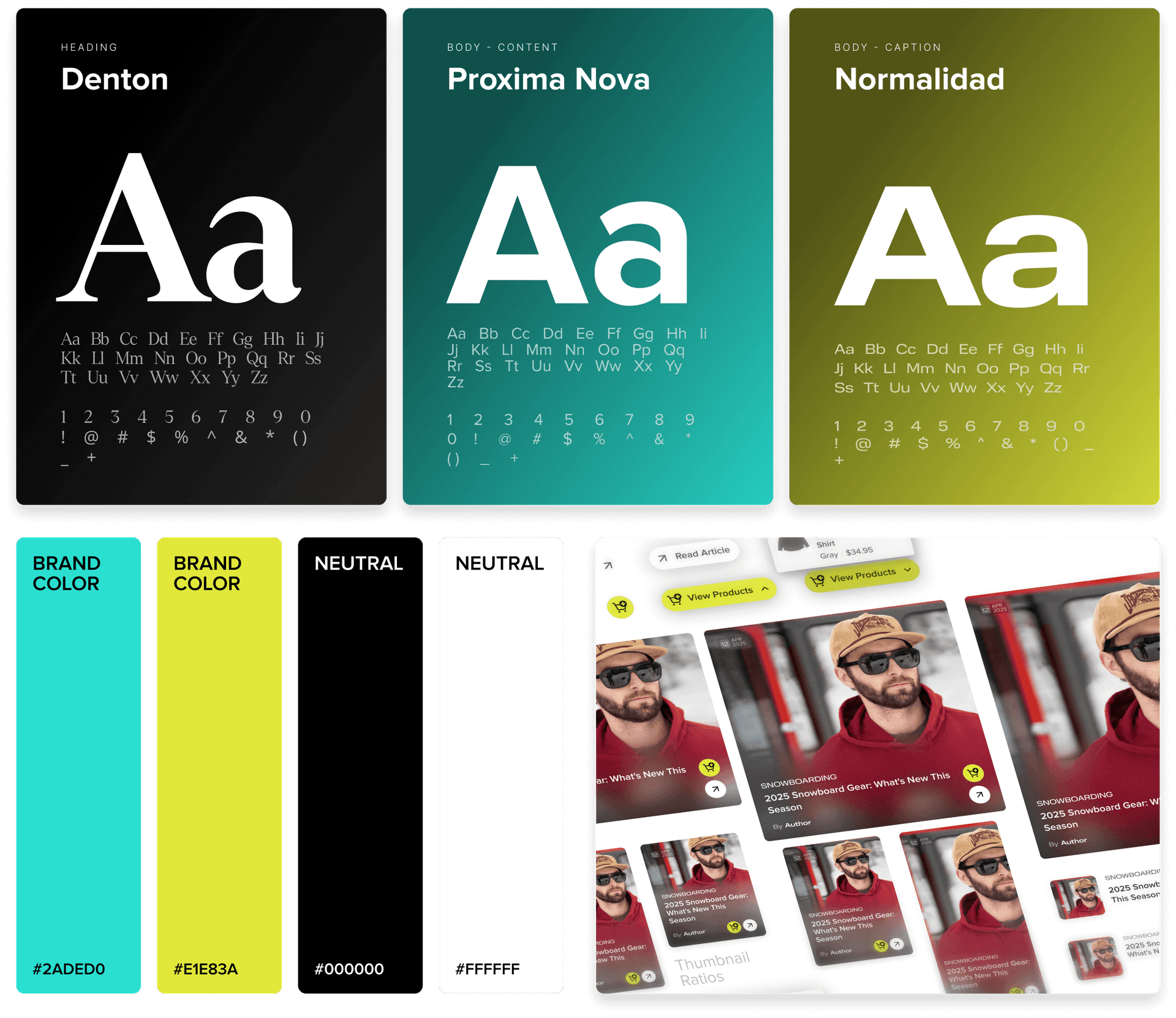
The exit from user-generated content eliminated both legal exposure and maintenance burden. The design finally does justice to TGR’s visual legacy: thirty years of stunning imagery displayed as it was meant to be seen.
Most importantly, TGR can now evolve their digital presence without being held hostage by their technology.
See the work live - visit the Teton Gravity Research website now.

Let's talk
If you're building something and need the right partner, schedule a conversation.