


You have a real product idea, not just a “maybe someday” thought.
Maybe it’s a new SaaS tool, a better e-commerce experience, or a modern media platform. You can see the gap in the market and you know the pain your customers feel.
Then reality hits. You may not code. You may not design screens. And the path from idea to paying users feels unclear.
This is where digital product development services help. The right team does not just build what you ask for. They help you shape the plan, test the idea, and ship a product people will use.
If you want a quick view of what this partnership can look like, start with how Refact works with founders.
The Three Stages From Idea to Launch
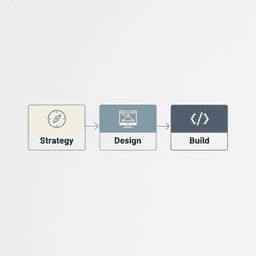
Most successful products follow the same basic path: strategy, design, and build.
Founders often try to skip straight to code. That usually leads to wasted time and a product nobody wants. A good partner slows things down early so you can move faster later.

Here’s the high-level journey from your idea to a live product.
What a Development Partner Does
| Phase | What It Means For You | Typical Outcome |
|---|---|---|
| Strategy & Discovery | Test assumptions and define the real problem. | Roadmap, MVP scope, and a technical brief. |
| UX/UI Design | Plan the user flow and create the look and feel. | Wireframes, prototype, and design system. |
| Full-Stack Engineering | Build the product, end to end. | Working product that is ready for real users. |
This structure matters more than ever. The software development market keeps growing fast, and competition is high. You win by making smart early choices.
For a deeper walkthrough, see our product development guide for startups.
The First Step: Strategy and Discovery

Strategy is the part founders want to rush. It is also the part that saves the most money.
This is where you decide what you are building, who it is for, and what “version one” must include. No guessing. No “we’ll fix it later.”
Think of it like a house plan. You do not pour concrete before you know the layout. Products work the same way.
Many costs get locked in early. Strategy, design, and prototyping choices can decide profitability before build work starts.
What Happens in Discovery
Discovery should be hands-on. You and your partner work together to replace assumptions with facts.
If you do not have technical leadership in-house, this is also where fractional CTO support can keep the plan realistic and the build clean.
- Business goals first: What are you building, and what does success look like in 12 months?
- User research: Talk to the people who feel the pain. Learn what they do today and why it is frustrating.
- User journey mapping: Map the key steps so you can cut what does not matter for the MVP.
- Roadmap and build plan: Decide what ships now, what waits, and what risks need answers early.
A strong output from this phase is clarity. You should leave with an MVP scope, feature list, and plan that a build team can execute.
If you want a step-by-step view of the full workflow, read our guide to the digital product development process.
Design and Build: Turning Plans Into a Real Product

Once the plan is clear, the work becomes much more visible. You can see screens, test flows, and watch features come to life.
This stage has two big parts: UX/UI design and full-stack engineering. They must stay aligned, week after week.
What Great UX/UI Design Really Means
Design is not just colors and fonts. UX is how the product feels when someone tries to get something done.
Good UX removes friction. It makes the next step obvious. It reduces support tickets and helps people succeed faster.
Many leaders agree that user experience drives growth. If your product feels confusing, customers do not stick around long enough to see the value.
Design work often includes usability testing, prototypes, and a design system. If you need help with brand and visuals too, consider branding and design services as part of your build.
What Full-Stack Engineering Means
After you approve designs, engineers build the working product. “Full-stack” just means one team builds both what users see and the systems behind it.
- Front-end: The screens, interactions, and performance in the browser.
- Back-end: Servers, databases, integrations, accounts, payments, and business logic.
One team owning both sides reduces handoffs and confusion. It also speeds up fixes because there is no debate about who owns what.
If you want to see what this looks like as a service, review website development services.
Most founders also need ongoing improvements after launch. That can include conversion work, speed, tracking, and technical SEO. This is where website optimization services fit well.
Adding AI Features Without the Hype
AI can help, but only if it solves a real user problem.
So instead of asking, “How do we add AI?”, start with, “What task wastes the most time for our users?” That question leads to features people will pay for.
Simple AI Use Cases That Ship Fast
For a publishing product, AI might create summaries or suggest headlines. For e-commerce, it could improve product discovery or customer support.
We also see strong results when AI helps teams process long documents and pull out key points. The best AI features feel like helpful shortcuts, not magic.
If you do use AI, take data privacy seriously. Be clear about what data you send, where it goes, and how it is stored. Founders should treat trust like a feature.
How to Choose the Right Development Partner

This decision can make or break your launch.
You are not just buying code. You are choosing the people who will question your plan, protect your budget, and help you ship something that works.
Partner vs. Vendor
A vendor takes tasks and ships them. A partner asks why, then helps you choose the best path.
You can tell the difference early. Vendors talk tools first. Partners ask about goals, users, and the business model.
Look for a team that cares about outcomes, not just deliverables. That is how you get a product that grows after launch.
A Simple Checklist for Founder Calls
- Do they start with goals? If they skip the problem and jump to tech, be careful.
- Can you speak to senior staff? You want access to the people doing the work, not only sales.
- Do they define scope clearly? Vague scope leads to missed timelines and budget fights.
- Is pricing clear? Very low bids often mean junior staffing or later add-on fees.
One more tip, ask how they document requirements. Clear requirements protect both sides. If you want examples of what “clear” looks like, see our functional requirements examples.
If you are comparing options, our guide to outsourcing software development for startups can help you ask better questions.
Next Step: A Simple First Conversation
If your idea has made it this far, you do not need a big leap. You just need a starting point.
A first call should be low pressure. You share the problem, the audience, and what you want to prove in version one. A good team gives you honest feedback and a clear path.
How to Prepare
- What problem are you solving? Say it in one or two sentences.
- Who feels it most? Describe your target user.
- What is a win in year one? Paying users, retention, revenue, or proof of demand.
When you’re ready, talk with our team. You will leave the call knowing what it takes to build, what it could cost, and what to do next.
Frequently Asked Questions
How much does it cost to build a digital product?
It depends on scope, risk, and how polished version one needs to be.
A focused MVP often falls around $50,000 to $100,000. Complex platforms with many integrations can cost more.
This is why discovery matters. It sets scope before money is spent on build work.
How long does it take to build the first version?
Timelines depend on complexity, but many MVPs ship in 3 to 6 months. That includes strategy and design.
The best teams work in short cycles with demos, so you see progress often and can make decisions early.
What happens after launch?
Launch is the start. Real users will show you what matters, what confuses them, and what they will pay for next.
After release, many teams shift into improvements, bug fixes, performance work, and new features based on real data and feedback.


